
Description
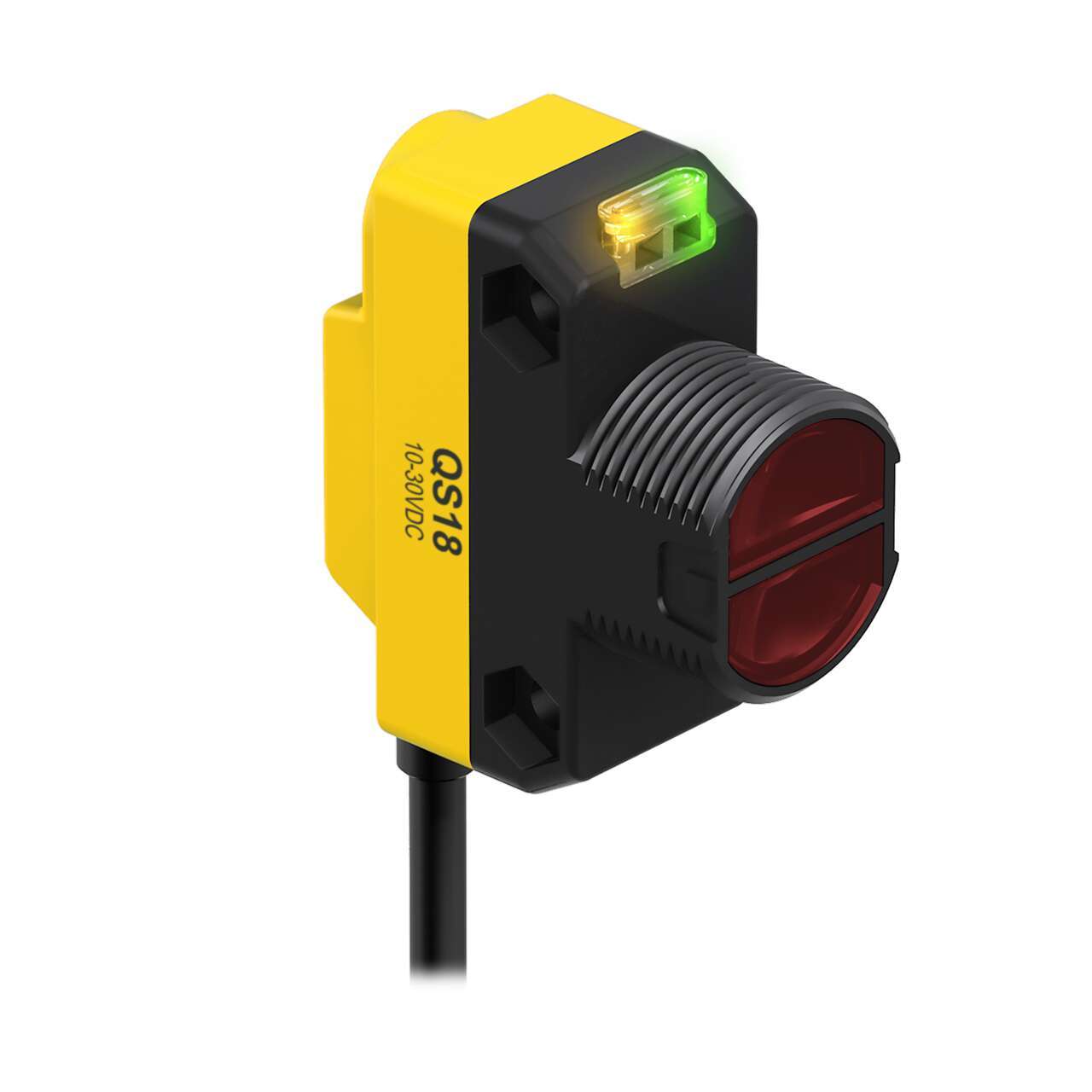
Photoelectric Sensor for Industrial Automation
Photoelectric Sensors are essential components in modern industrial automation systems, designed for accurate, fast, and reliable object detection without physical contact. These sensors use light beams to detect the presence, absence, or distance of objects, making them ideal for high-speed manufacturing, packaging, material handling, and quality control applications.
At Genesis Industrial Solutions, we offer high-performance Photoelectric Sensors engineered for durability, precision, and long operational life. Our sensors are suitable for harsh industrial environments and deliver consistent performance across multiple automation processes.
We provide advanced models including QS18VP6D, QS18VN6D, QS18VP6AF350, QS18VN6AF350, QS18VP6FF100, QS18VN6FF100, GTB6-P1212, GTB6-N1212, QS18VP6LP, QS18VN6LP designed to meet diverse industrial detection requirements.
What is a Photoelectric Sensor?
A Photoelectric Sensor is an electronic device that detects objects, changes in surface conditions, or distance using a light transmitter and receiver. When an object interrupts or reflects the light beam, the sensor detects the change and triggers an output signal.
Photoelectric sensors are widely used in:
- Industrial automation
- Packaging machinery
- Conveyor systems
- Material handling
- Pharmaceutical manufacturing
- Automotive industries
- Food & beverage processing
- Printing and labeling systems
These sensors provide non-contact detection, making them reliable, maintenance-friendly, and suitable for high-speed operations.
Photoelectric Sensor Models Available
Genesis Industrial Solutions offers the following Photoelectric Sensor models:
- QS18VP6D
- QS18VN6D
- QS18VP6AF350
- QS18VN6AF350
- QS18VP6FF100
- QS18VN6FF100
- GTB6-P1212
- GTB6-N1212
- QS18VP6LP
- QS18VN6LP
These models are designed to deliver superior detection accuracy, longer sensing range, and easy installation for industrial environments.
Technical Specifications of Photoelectric Sensor
| Model | Opposed Mode | Range | Output |
|---|---|---|---|
| QS186EV (624 nm Visible red) | Effective beam: 13 mm (0.5 inch) | 20 m (66 ft) | — |
| QS186E (940 nm Infrared) | — | ||
| QS18VN6R | NPN | ||
| QS18VP6R | PNP | ||
| QS186EB (940 nm Infrared) | — | ||
| QS18VN6RB | Effective beam: 13 mm (0.5 inch) | 3 m (10 ft) | NPN |
| QS18VP6RB | PNP |
| Model | Polarized Retroreflective Mode | Range | Output |
|---|---|---|---|
| QS18VN6LP | 630 nm Visible red | 3.5 m (12 ft) | NPN |
| QS18VP6LP | PNP |
| Model | Retroreflective Mode | Range | Output |
|---|---|---|---|
| QS18VN6LV | 628 nm Visible red | 6.5 m (21 ft) | NPN |
| QS18VP6LV | PNP |
| Model | Convergent Mode | Range | Output |
|---|---|---|---|
| QS18VN6CV15 | 630 nm Visible red | 16 mm (0.63 in) | NPN |
| QS18VP6CV15 | PNP | ||
| QS18VN6CV45 | 43 mm (1.7 in) | NPN | |
| QS18VP6CV45 | PNP |
| Model | Diffuse Mode | Range | Output |
|---|---|---|---|
| QS18VN6D | 940 nm Infrared | 450 mm (18 in) | NPN |
| QS18VP6D | PNP | ||
| QS18VN6DL | 600 mm (24 in) | NPN | |
| QS18VP6DL | PNP | ||
| QS18VN6DVS | 630 nm Visible red | 250 mm (10 in) | NPN |
| QS18VP6DVS | PNP | ||
| QS18VN6DB (Wide) | Infrared | 450 mm (18 in) | NPN |
| QS18VP6DB (Wide) | PNP |
| Model | Divergent Mode | Range | Output |
|---|---|---|---|
| QS18VN6W | 940 nm Infrared | 100 mm (4 in) | NPN |
| QS18VP6W | PNP |
| Model | Fixed Field Mode | Range | Output |
|---|---|---|---|
| QS18VN6FF50 | 630 nm Visible red | 50 mm (2 in) | NPN |
| QS18VP6FF50 | PNP | ||
| QS18VN6FF100 | 100 mm (4 in) | NPN | |
| QS18VP6FF100 | PNP | ||
| QS18VP6FF125 | 125 mm (5 in) | PNP | |
| QS18VN6FF150 | 150 mm (6 in) | NPN | |
| QS18VP6FF150 | PNP |
| Model | Plastic Fiber Optic Mode | Range | Output |
|---|---|---|---|
| QS18VN6FP | 660 nm Visible Red | Range varies by sensing mode and fiber optics used | NPN |
| QS18VP6FP | PNP |
| Model | Glass Fiber Optic Mode | Range | Output |
|---|---|---|---|
| QS18VN6F | 940 nm Infrared | Range varies by sensing mode and fiber optics used | NPN |
| QS18VP6F | PNP |
How Photoelectric Sensor Works
A Photoelectric Sensor works by using a beam of light to detect the presence, absence, or distance of an object. The sensor consists of three main components: a light emitter, a receiver, and an output signal processor. When the emitted light interacts with an object, the sensor detects the change and triggers a response.
Working Principle of Photoelectric Sensors
1. Light Emission
The Photoelectric Sensor emits a beam of light, typically using an LED or laser source. This light travels toward the target object or reflector depending on the sensing mode.
2. Light Detection
When an object enters the sensing area, it either:
- Blocks the light beam
- Reflects the light back to the receiver
- Changes the intensity of the received light
The receiver detects this change and sends a signal to the sensor circuitry.
3. Signal Processing
Once the change in light is detected, the sensor converts it into an electrical signal. This signal is then used to trigger machine operations such as:
- Starting or stopping machinery
- Counting products
- Detecting object presence
- Controlling conveyor systems
Types of Photoelectric Sensor Working Modes
Opposed (Through-Beam) Mode
In this mode, the emitter and receiver are placed opposite each other. When an object interrupts the light beam, the sensor detects the object. This mode provides the longest sensing range and highest reliability.
Retroreflective Mode
The emitter and receiver are placed in the same housing, and a reflector is placed opposite the sensor. When an object interrupts the reflected light beam, detection occurs.
Diffuse Mode
In diffuse sensing mode, the sensor detects objects based on light reflected directly from the object’s surface. This mode is ideal for short-range detection.
Convergent and Fixed-Field Mode
These modes detect objects within a specific sensing range and ignore background objects, improving detection accuracy.
Key Features of Photoelectric Sensors
Our Photoelectric Sensors are built with advanced technology and robust design to ensure optimal performance:
Universal and Flexible Design
- Features a universal housing with an 18 mm threaded lens or side mounts
- Compact and rugged construction suitable for industrial environments
- Easy mounting and installation
Multiple Sensing Modes
Available in various sensing modes including:
- Opposed mode
- Polarized retroreflective
- Non-polarized retroreflective
- Convergent sensing
- Regular diffuse
- Wide-angle diffuse
- Small spot diffuse
- Laser sensing
- Ultrasonic sensing
- Plastic or glass fiber optic
- Fixed-field sensing
- Adjustable-field sensing
These options provide flexibility for multiple industrial automation applications.
Long Sensing Range
- Detection range up to 20 meters
- Suitable for long-distance detection
- Reliable performance in demanding applications
Advanced TEACH Mode Setup
- Easy push-button TEACH-mode setup in ultrasonic models
- Simplifies installation and calibration
- Reduces setup time and improves accuracy
Bright LED Status Indicators
- 360° visible LED indicators
- Easy monitoring of sensor status
- Simplifies troubleshooting and maintenance
IO-Link Communication Support
- Available in models with IO-Link communication
- Simplified wiring and installation
- Preventative maintenance capability
- Sensor backup and faster replacement
Adjustable Field Options
- Mechanical adjustable field
- Electronic adjustable field
- Flexible detection control
Superior Light Immunity
- Opposed-mode models with improved light immunity
- Crosstalk avoidance technology
- Stable performance in harsh environments
Replace Hundreds of Sensors
- Universal design replaces multiple sensor types
- Reduces inventory and maintenance cost
- Simplifies automation system design
Technical Advantages of Photoelectric Sensor
Our Photoelectric Sensors offer several performance advantages:
- High-speed detection
- Accurate object sensing
- Non-contact operation
- Long operational life
- Low maintenance requirement
- Compact industrial design
- Energy efficient performance
- Reliable operation in harsh environments
Applications of Photoelectric Sensors
Photoelectric sensors are widely used across industries:
Manufacturing Industry
- Object detection on production lines
- Machine automation
- Quality inspection
Packaging Industry
- Carton detection
- Label verification
- Bottle detection
Conveyor Systems
- Material tracking
- Object counting
- Sorting systems
Automotive Industry
- Component detection
- Assembly line automation
Pharmaceutical Industry
- Packaging automation
- Bottle detection
- Label inspection
Food & Beverage Industry
- Packaging detection
- Filling process automation
How Photoelectric Sensors Improve Industrial Production
Photoelectric Sensors play a crucial role in improving industrial production by enhancing automation, accuracy, speed, and operational efficiency. These sensors detect objects without physical contact, allowing industries to streamline processes and reduce human error.
1. Increases Production Speed
Photoelectric Sensors provide fast and real-time detection, enabling machines to operate at higher speeds. They quickly detect products on conveyor belts, packaging lines, and assembly systems, ensuring smooth and continuous production without delays.
Benefits:
- Faster production cycles
- Reduced bottlenecks
- Improved workflow efficiency
2. Improves Accuracy and Precision
Manual inspection often leads to errors, especially in high-speed production environments. Photoelectric Sensors offer precise detection, ensuring accurate product positioning, counting, and sorting.
Benefits:
- Reduced human errors
- Accurate product detection
- Consistent production quality
3. Reduces Downtime
Industrial downtime can significantly impact productivity. Photoelectric Sensors detect issues early, such as missing products, misalignment, or blockages, allowing operators to take immediate action.
Benefits:
- Prevents machine stoppages
- Reduces maintenance costs
- Improves operational efficiency
4. Enables Automation
Photoelectric Sensors are essential for automated manufacturing systems. They help control machines, conveyors, packaging lines, and robotic arms automatically.
Benefits:
- Reduced manual intervention
- Increased automation efficiency
- Lower labor costs
5. Enhances Product Quality
Photoelectric Sensors ensure that only properly aligned and correctly placed products move forward in the production line. They help detect defective or missing items.
Benefits:
- Better product consistency
- Reduced defects
- Improved customer satisfaction
6. Improves Safety in Industrial Environments
Photoelectric Sensors enhance safety by detecting objects or workers near machinery and triggering safety responses.
Benefits:
- Prevents accidents
- Protects workers
- Improves workplace safety
7. Supports High-Speed Packaging and Material Handling
Photoelectric Sensors are widely used in packaging lines to detect products, labels, and cartons at high speeds.
Benefits:
- Faster packaging processes
- Accurate product handling
- Reduced packaging errors
8. Cost-Effective Production Solution
By improving efficiency, reducing waste, and minimizing downtime, Photoelectric Sensors help lower operational costs.
Benefits:
- Reduced production cost
- Higher productivity
- Better return on investment
Why Choose Genesis Industrial Solutions for Photoelectric Sensors
- High-quality industrial sensors
- Reliable performance
- Multiple sensing options
- Easy installation
- Competitive Photoelectric Sensor price
- Technical support and guidance
- Durable industrial-grade construction
- Fast delivery across India
We are a trusted Photoelectric Sensor Manufacturer and Supplier in India, delivering advanced automation solutions for industries of all sizes.
Photoelectric Sensor Price in India
The Photoelectric Sensor price depends on model, sensing range, and application requirements. We offer competitive pricing while maintaining premium quality and performance.
Contact us today for the best Photoelectric Sensor price and technical consultation.
Contact Genesis Industrial Solutions
Looking for reliable Photoelectric Sensors for your industrial automation needs?
Genesis Industrial Solutions provides high-performance sensors with expert technical support.
Get in touch today to find the right Photoelectric Sensor for your application.
Amit Desai –
Excellent Performance and Reliable Photoelectric Sensors
We recently integrated the Photoelectric Sensors from Genesis Industrial Solutions into our production line, and the performance has been outstanding. The sensors provide fast and accurate detection, which has significantly improved our production speed and reduced operational downtime.
The installation process was simple, and the bright LED indicators make monitoring very easy. We are especially impressed with the long sensing range and consistent performance even in demanding industrial environments. These sensors have helped us improve automation efficiency and maintain product quality.
Highly recommended for any industry looking for reliable and durable Photoelectric Sensors for industrial automation.