
Object Detection Sensors
Showing all 5 results
-
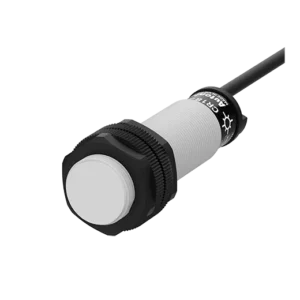
Capacitive Sensor
-
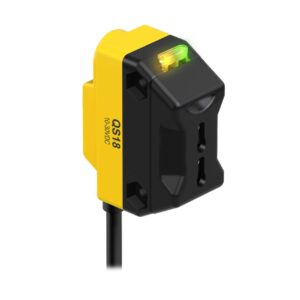
Fiber Optic Sensors
-
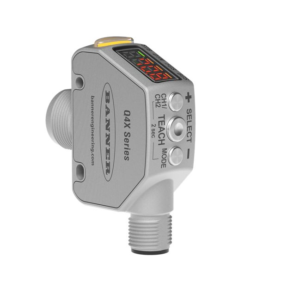
Industrial Laser Sensors
-
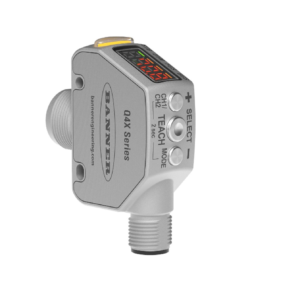
Measurement Sensor
-
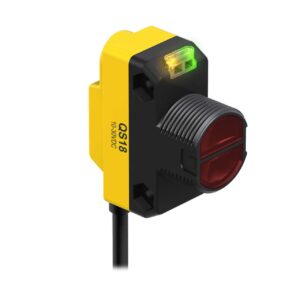
Photoelectric Sensor
Object Detection Sensors for Reliable Industrial Automation and Precision Sensing
In today's fast-paced industrial environment, accurate object detection is critical for maintaining productivity, quality, and operational efficiency.
Object Detection Sensors play a vital role in modern automation systems by identifying the presence, absence, position, distance, size, and movement of objects without direct physical contact.
These advanced sensing devices are widely used in manufacturing plants, packaging facilities, automotive production lines, logistics centers, food processing industries, pharmaceutical manufacturing, and countless other industrial applications.
At Genesis Industrial Solutions, we offer a comprehensive range of high-performance Object Detection Sensors designed to meet the diverse requirements of industrial automation.
Our product portfolio includes Capacitive Sensors, Fiber Optic Sensors, Industrial Laser Sensors, Measurement Sensors, and Photoelectric Sensors, providing reliable solutions for precise detection, monitoring, positioning, and quality control.
Whether you need to detect transparent materials, metallic and non-metallic objects, measure dimensions with extreme accuracy, or automate production processes, our object detection solutions deliver dependable performance even in demanding industrial environments.
What Are Object Detection Sensors?
Object Detection Sensors are electronic devices designed to identify the presence or absence of an object within a specified sensing range. These sensors convert physical changes into electrical signals that can be processed by controllers, PLCs, robotics systems, and industrial automation equipment.
Unlike traditional contact-based switches, object detection sensors operate without touching the target object. This non-contact detection capability minimizes wear and tear, improves operational efficiency, and ensures higher reliability in automated processes.
Modern object detection sensors utilize various sensing technologies, including:
- Optical sensing
- Capacitive sensing
- Laser sensing
- Fiber optic sensing
- Distance measurement sensing
- Infrared detection
- Reflective sensing
These technologies enable accurate object identification under varying environmental conditions, making them indispensable components in Industry 4.0 and smart manufacturing systems.
Importance of Object Detection Sensors in Industrial Automation
Automation relies heavily on accurate and real-time information. Object detection sensors provide critical data that enables machines to make intelligent decisions, ensuring smooth and efficient operation.
Some key benefits include:
Improved Production Efficiency
Object detection sensors help automate repetitive tasks, reducing manual intervention and increasing production speed. By providing instant feedback to machines and control systems, these sensors enable faster and more efficient workflows.
Enhanced Product Quality
Manufacturers use sensors to verify product presence, positioning, dimensions, and assembly accuracy. This helps eliminate defects and maintain consistent product quality.
Reduced Downtime
Reliable detection minimizes machine errors and prevents process interruptions. Early detection of issues helps reduce downtime and maintenance costs.
Increased Workplace Safety
Object detection sensors monitor equipment operation, detect obstacles, and contribute to safer working environments by reducing risks associated with automated machinery.
Cost Savings
Improved efficiency, reduced waste, lower maintenance requirements, and fewer production errors contribute to significant long-term cost savings.
Types of Object Detection Sensors Available
Our object detection sensor category includes several advanced sensing technologies tailored for different industrial requirements.
Capacitive Sensors
Capacitive Sensors are versatile proximity sensors capable of detecting both metallic and non-metallic materials. They operate by sensing changes in capacitance caused by the presence of an object within the sensing field.
Unlike inductive sensors that only detect metals, capacitive sensors can detect:
- Plastic
- Glass
- Wood
- Paper
- Powder
- Liquids
- Granules
- Ceramic materials
Key Features of Capacitive Sensors
- Contactless detection
- Adjustable sensitivity
- Detection of solid and liquid materials
- Compact design
- High reliability
- Long service life
Applications of Capacitive Sensors
Capacitive sensors are widely used in:
- Packaging machinery
- Food and beverage industries
- Pharmaceutical manufacturing
- Plastic processing
- Material handling systems
- Liquid level detection
- Bulk material monitoring
Their ability to detect non-metallic materials makes them ideal for industries where traditional sensing technologies may not be suitable.
Fiber Optic Sensors
Fiber Optic Sensors are highly precise sensing solutions that use optical fibers to transmit and receive light signals. These sensors are particularly effective in applications requiring detection in confined spaces or harsh environments.
The sensing head is extremely compact, allowing installation where conventional sensors cannot fit.
Advantages of Fiber Optic Sensors
- Exceptional detection accuracy
- Compact sensing heads
- High-speed response
- Resistance to electromagnetic interference
- Reliable operation in challenging environments
- Flexible installation options
Applications of Fiber Optic Sensors
Fiber optic sensors are commonly used in:
- Semiconductor manufacturing
- Electronics assembly
- Packaging systems
- Pharmaceutical production
- Precision automation equipment
- Robotic systems
- High-speed production lines
These sensors are especially valuable when detecting small objects or working in environments with limited installation space.
Industrial Laser Sensors
Industrial Laser Sensors provide highly accurate object detection and positioning capabilities using focused laser beams. These sensors offer superior sensing distances and precision compared to many conventional technologies.
Laser sensors can detect:
- Tiny components
- Transparent materials
- Reflective surfaces
- Dark-colored objects
- High-speed moving targets
Key Benefits of Industrial Laser Sensors
- Long sensing range
- Exceptional accuracy
- Fast response times
- Reliable performance
- Precise positioning
- High repeatability
Industrial Applications
Industrial laser sensors are widely used in:
- Automotive manufacturing
- Robotics
- Logistics automation
- Material handling
- Packaging inspection
- Electronics production
- Quality control systems
Their precision makes them ideal for applications requiring exact measurements and positioning.
Measurement Sensors
Measurement Sensors are specialized devices designed to determine dimensions, distance, thickness, height, width, and positioning with exceptional accuracy.
These sensors play a critical role in automated inspection and quality assurance systems.
Features of Measurement Sensors
- High-resolution measurements
- Non-contact operation
- Real-time monitoring
- Precision control
- Consistent performance
- Advanced data output capabilities
Applications of Measurement Sensors
Measurement sensors are extensively used in:
- Quality inspection systems
- Dimensional verification
- Surface profile analysis
- Production monitoring
- Material thickness measurement
- Assembly validation
- Automated manufacturing lines
By delivering accurate measurement data, these sensors help manufacturers maintain strict quality standards and optimize production processes.
Photoelectric Sensors
Photoelectric Sensors are among the most widely used object detection solutions in industrial automation. They utilize light beams to detect objects without physical contact.
Photoelectric sensors are available in various configurations, including:
- Through-beam sensors
- Retro-reflective sensors
- Diffuse reflective sensors
Benefits of Photoelectric Sensors
- Long sensing distances
- Fast response times
- High reliability
- Easy installation
- Cost-effective operation
- Detection of various object types
Common Applications
Photoelectric sensors are frequently used in:
- Conveyor systems
- Packaging machinery
- Warehouse automation
- Material handling equipment
- Bottling plants
- Assembly lines
- Sorting systems
Their versatility and reliability make them a preferred choice across numerous industries.
Industries That Depend on Object Detection Sensors
Object detection sensors have become essential components in modern industrial operations.
Manufacturing Industry
Manufacturers use sensors for product detection, machine control, quality assurance, and assembly verification.
Automotive Industry
Automotive production facilities rely on sensors for positioning, robotic guidance, inspection, and process automation.
Food and Beverage Industry
Object detection sensors ensure accurate packaging, filling operations, product counting, and quality monitoring.
Pharmaceutical Industry
Pharmaceutical manufacturers use sensors for packaging verification, labeling inspection, and contamination prevention.
Logistics and Warehousing
Automated warehouses employ object detection sensors for sorting, tracking, positioning, and inventory management.
Electronics Industry
Precision sensing is critical for handling delicate electronic components and maintaining production accuracy.
Factors to Consider When Selecting Object Detection Sensors
Choosing the right object detection sensor depends on several operational requirements.
Detection Distance
Determine the required sensing range based on the application and installation environment.
Target Material
Consider whether the sensor needs to detect metallic, non-metallic, transparent, reflective, or dark-colored objects.
Environmental Conditions
Evaluate factors such as:
- Dust
- Moisture
- Temperature
- Vibration
- Chemical exposure
Response Speed
High-speed production lines require sensors capable of rapid detection and signal processing.
Mounting Space
Compact installations may benefit from fiber optic or miniaturized sensing solutions.
Accuracy Requirements
Applications involving measurement and inspection demand highly accurate sensors with minimal error margins.
Benefits of Choosing Genesis Industrial Solutions
Genesis Industrial Solutions provides advanced sensing technologies that help businesses improve productivity, accuracy, and operational efficiency.
Wide Product Range
We offer comprehensive object detection solutions for virtually every industrial application.
Reliable Performance
Our sensors are engineered to deliver dependable operation in demanding environments.
Advanced Technology
We provide cutting-edge sensing technologies that support modern automation systems and Industry 4.0 initiatives.
Expert Support
Our team helps customers select the most suitable sensing solution for their specific requirements.
Quality Assurance
Every product is designed to meet strict industrial standards for reliability and performance.
Future of Object Detection Sensors
As industrial automation continues to evolve, object detection sensors are becoming increasingly intelligent and interconnected. Emerging technologies such as artificial intelligence, machine vision, Industrial IoT, and smart manufacturing systems are driving the development of more sophisticated sensing solutions.
Future object detection systems will offer:
- Enhanced accuracy
- Greater connectivity
- Predictive maintenance capabilities
- Advanced analytics
- Real-time monitoring
- Improved integration with automation platforms
These advancements will help manufacturers achieve higher levels of efficiency, flexibility, and operational excellence.
Object Detection Sensors are the backbone of modern industrial automation, enabling accurate detection, positioning, measurement, and monitoring across countless applications. From Capacitive Sensors and Fiber Optic Sensors to Industrial Laser Sensors, Measurement Sensors, and Photoelectric Sensors, each technology provides unique advantages for specific operational requirements.
At Genesis Industrial Solutions, we are committed to delivering high-quality object detection solutions that help industries improve efficiency, enhance product quality, reduce downtime, and achieve greater automation success. Explore our complete range of Object Detection Sensors to find the ideal sensing technology for your industrial application and take your automation capabilities to the next level.
FAQs about Object Detection Sensors
What are Object Detection Sensors?
Object Detection Sensors are devices used to detect the presence, absence, position, or movement of objects without physical contact. They play a critical role in industrial automation, quality control, and manufacturing processes.
What types of Object Detection Sensors are available?
Our Object Detection Sensor category includes:
- Capacitive Sensors
- Fiber Optic Sensors
- Industrial Laser Sensors
- Measurement Sensors
- Photoelectric Sensors
Each type is designed for specific detection and automation requirements.
What is the difference between Capacitive Sensors and Photoelectric Sensors?
Capacitive Sensors detect objects by sensing changes in capacitance and can detect both metallic and non-metallic materials, including liquids and powders. Photoelectric Sensors use light beams to detect objects and are commonly used for longer-range detection applications.
Where are Fiber Optic Sensors commonly used?
Fiber Optic Sensors are ideal for applications with limited installation space, high precision requirements, or environments with electromagnetic interference. They are widely used in electronics manufacturing, semiconductor production, and high-speed automation systems.
What are Industrial Laser Sensors used for?
Industrial Laser Sensors are used for precise object detection, positioning, distance measurement, and quality inspection. They are commonly found in automotive manufacturing, robotics, packaging, and material handling systems.
How do Measurement Sensors improve production quality?
Measurement Sensors provide accurate dimensional data such as height, thickness, width, and distance. This allows manufacturers to perform automated quality inspections and maintain consistent product standards.
Can Object Detection Sensors detect non-metallic materials?
Yes. Capacitive Sensors, Photoelectric Sensors, Fiber Optic Sensors, and Laser Sensors can detect various non-metallic materials, including plastic, glass, paper, wood, liquids, and transparent objects, depending on the sensor type.
Which industries commonly use Object Detection Sensors?
Object Detection Sensors are widely used in:
- Manufacturing
- Automotive
- Food and Beverage
- Pharmaceuticals
- Packaging
- Logistics and Warehousing
- Electronics
- Robotics and Automation
How do I choose the right Object Detection Sensor?
Choosing the right sensor depends on several factors, including object material, sensing distance, environmental conditions, response speed, installation space, and accuracy requirements. Our experts can help you select the most suitable sensor for your application.
What are the benefits of using non-contact Object Detection Sensors?
Non-contact sensors offer several advantages, including reduced wear and tear, higher reliability, faster operation, improved safety, increased accuracy, and lower maintenance requirements compared to contact-based detection systems.
Are Object Detection Sensors suitable for harsh industrial environments?
Yes. Many industrial-grade sensors are designed to operate reliably in challenging environments involving dust, moisture, vibration, temperature variations, and exposure to industrial contaminants.
Why choose Genesis Industrial Solutions for Object Detection Sensors?
Genesis Industrial Solutions offers a comprehensive range of high-performance sensing technologies, expert technical support, quality-assured products, and customized solutions to help businesses achieve efficient and reliable industrial automation.
Need the Right Object Detection Sensor?
Improve accuracy and automation with our range of Capacitive, Fiber Optic, Industrial Laser, Measurement, and Photoelectric Sensors. Contact Genesis Industrial Solutions today for expert assistance in selecting the ideal sensing solution for your application.