Description
HMI or Human Machine Interface for Smart Industrial Control
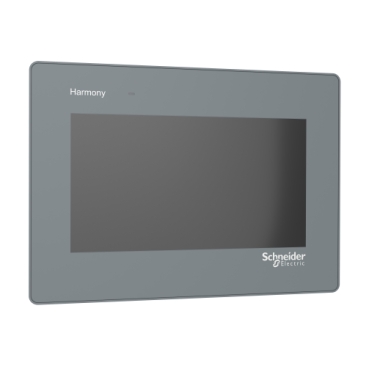
Human Machine Interface (HMI) is an essential component in industrial automation that allows operators to interact with machines, systems, and processes through a visual interface. From simple monitoring panels to advanced touch screen displays, HMI systems improve productivity, accuracy, and control across industries.
At Genesis Industrial Solutions, we provide high-performance HMI panels designed for seamless communication between humans and machines, ensuring efficient operation, real-time data access, and reliable control.
What is Human Machine Interface (HMI)?
A Human Machine Interface (HMI) is a user interface or dashboard that connects an operator to a machine, PLC, or industrial system. It displays real-time data such as temperature, pressure, speed, alarms, and system status, enabling users to monitor and control processes easily.
In simple terms, HMI acts as the “face” of a machine, translating complex machine data into visual information like graphs, buttons, and indicators that operators can understand and control.
How Does an HMI Work?
HMI works by communicating with industrial controllers such as PLCs, sensors, and SCADA systems. Here’s how the process works:
- Data Collection: Sensors and PLCs collect data from machines and processes
- Communication: HMI connects to PLC via communication protocols like Modbus, Ethernet, RS232, or RS485
- Processing: The HMI processes incoming data in real time
- Visualization: Data is displayed on the screen in the form of charts, dashboards, and controls
- User Interaction: Operators can input commands using touchscreens or buttons
- Execution: Commands are sent back to the PLC to control machinery
This real-time interaction allows faster decision-making, improved control, and reduced operational errors.
Our HMI Models Available
We offer a wide range of advanced Human Machine Interface panels suitable for various industrial needs:
- DOP-103BQ
- DOP-107SV
- DOP-107BV
- DOP110CS
- HMIGXU3500
- HMIGXU3512
These models are designed for reliability, high-speed performance, and long-term industrial usage.
Key Features of HMI Systems
High-Resolution Touchscreen Display
Modern HMI systems come with TFT LCD or LED displays that offer sharp visuals, vibrant colors, and excellent readability. Capacitive or resistive touchscreens ensure smooth and accurate user interaction, even in industrial environments.
Intuitive Graphical User Interface (GUI)
HMI panels provide user-friendly dashboards with icons, buttons, charts, and animations. This simplifies complex machine data, allowing operators to quickly understand system status and take action without technical difficulty.
Real-Time Monitoring and Control
HMI systems continuously display live data such as temperature, pressure, speed, and machine status. Operators can instantly monitor performance and control operations, improving responsiveness and efficiency.
Multiple Communication Protocols
Advanced HMI supports various communication interfaces including Ethernet, RS232, RS485, USB, and protocols like Modbus, CANopen, and OPC. This ensures seamless connectivity with PLCs, sensors, drives, and other automation devices.
Fast Processing Performance
Equipped with high-speed processors, HMI systems ensure quick data processing and screen response. This minimizes lag and supports real-time decision-making in high-speed industrial applications.
Data Logging and Storage
HMI panels can store historical data for analysis and reporting. This helps in performance tracking, quality control, and predictive maintenance by identifying trends and anomalies.
Alarm Management System
HMI systems provide configurable alarms and notifications for abnormal conditions. Visual and audible alerts help operators respond quickly to faults, reducing downtime and preventing equipment damage.
Remote Access and Connectivity
Many modern HMIs support remote monitoring through web servers or cloud integration. This allows users to access system data and control operations from remote locations via PC or mobile devices.
Rugged Industrial Design
HMI panels are built to withstand harsh industrial environments. Features like IP65-rated front panels protect against dust, water, oil, and extreme conditions, ensuring long-lasting performance.
Easy Integration with Automation Systems
HMI systems are compatible with a wide range of PLCs and controllers, making integration simple and efficient. This flexibility allows seamless implementation in new or existing automation setups.
Energy Efficient Operation
Modern HMIs are designed to consume less power while delivering high performance, making them suitable for continuous industrial use without excessive energy costs.
Multi-Language Support
HMI interfaces can be configured in multiple languages, making them suitable for global operations and diverse workforce environments.
Customizable Screens and Functions
Users can design custom screens, workflows, and control layouts based on application requirements. This flexibility enhances usability and operational efficiency.
Security and Access Control
HMI systems offer password protection and user-level access control to prevent unauthorized operations and ensure system safety.
Technical Specifications of HMI
- Display Type: TFT LCD Touchscreen
- Screen Sizes: 4.3 inch, 7 inch, 10 inch and above
- Power Supply: 24V DC
- Communication Ports: Ethernet, USB, RS232, RS485
- Mounting Type: Panel Mount
- Operating Temperature: 0°C to 50°C
- Protection Level: IP65 (Front Panel)
- Memory and Processing: High-speed CPU with efficient memory handling
Applications of Human Machine Interface
Human Machine Interface (HMI) systems are widely used across industries to monitor, control, and optimize industrial processes. Their flexibility and real-time capabilities make them essential in modern automation environments.
Manufacturing and Production Lines
HMI panels are extensively used in manufacturing units to monitor machine operations, control production processes, and ensure consistent output quality. Operators can track performance, detect faults, and manage workflows efficiently.
Packaging and Labeling Machines
In packaging industries, HMI systems control filling, sealing, labeling, and wrapping machines. They ensure accurate positioning, speed control, and synchronization, which is critical for high-speed production lines.
Food and Beverage Industry
HMI is used to maintain hygiene standards, control processing temperatures, monitor mixing and batching processes, and ensure compliance with safety regulations.
Pharmaceutical Industry
In pharma manufacturing, HMI systems help maintain precision, monitor batch processes, and ensure strict quality control. They also support data logging for regulatory compliance.
Water Treatment and Utilities
HMI panels are used in water treatment plants to monitor flow rates, tank levels, pressure, and chemical dosing. They help in efficient resource management and system control.
Power Plants and Energy Sector
In power generation and distribution, HMI systems provide real-time monitoring of electrical parameters, turbine operations, and energy consumption, improving efficiency and reliability.
HVAC and Building Automation
HMI is widely used in HVAC systems to control temperature, ventilation, and air conditioning. It also plays a key role in smart building automation for energy management.
Oil and Gas Industry
HMI systems are used for monitoring pipelines, pressure levels, flow rates, and safety systems. They help ensure safe and efficient operations in critical environments.
Automotive Industry
In automotive manufacturing, HMI panels control robotic arms, assembly lines, and testing systems, ensuring precision and productivity.
Textile Industry
HMI is used to control weaving, dyeing, and finishing machines, helping operators maintain quality and reduce material waste.
CNC and Machine Tools
HMI systems are integrated with CNC machines to provide real-time control over machining operations, improving accuracy and reducing manual intervention.
OEM Machinery and Control Panels
Original Equipment Manufacturers integrate HMI into their machines to provide user-friendly interfaces, making equipment easier to operate and maintain.
Benefits of Using HMI
Implementing a Human Machine Interface (HMI) in industrial systems delivers measurable improvements in performance, control, and operational visibility. Below are the key benefits:
Improved Operational Efficiency
HMI enables operators to monitor and control machines from a single interface, reducing manual effort and speeding up decision-making. This leads to smoother workflows and higher productivity.
Real-Time Monitoring and Visibility
With live data displayed on the screen, operators can instantly track parameters such as temperature, pressure, speed, and system status, ensuring better control over processes.
Reduced Downtime
HMI systems provide instant alerts and diagnostics for faults or abnormalities. Quick identification of issues helps minimize machine downtime and prevents production losses.
Enhanced Safety
By offering controlled access, alarms, and automated shutdown features, HMI improves workplace safety and reduces the risk of human error in critical operations.
Simplified Operation of Complex Systems
HMI converts complex machine data into easy-to-understand visual formats such as graphs, indicators, and buttons, making it easier for operators to manage sophisticated systems.
Centralized Control System
Operators can manage multiple machines or processes from a single HMI panel, improving coordination and reducing the need for multiple control points.
Better Data Analysis and Reporting
With built-in data logging, HMI systems store historical data that can be used for performance analysis, quality improvement, and predictive maintenance.
Faster Troubleshooting
Detailed system insights and diagnostic tools help technicians quickly identify and resolve issues, reducing maintenance time and operational disruptions.
Increased Productivity
Automation combined with HMI reduces manual intervention, speeds up processes, and ensures consistent output, directly boosting production efficiency.
Scalability and Flexibility
HMI systems can be easily integrated with existing automation setups and upgraded as business needs grow, making them a future-ready solution.
Cost Savings in the Long Run
By reducing errors, downtime, and maintenance costs, HMI systems contribute to significant long-term cost savings for industrial operations.
Remote Monitoring Capability
Advanced HMI systems allow remote access, enabling operators and managers to monitor and control processes from anywhere, improving convenience and responsiveness.
Human Machine Interface Price in India
The Human Machine Interface price depends on several factors such as display size, features, communication capabilities, and brand.
- Entry-level models like DOP-103BQ offer cost-effective solutions
- Mid-range models like DOP-107SV and DOP-107BV provide balanced performance
- Advanced models like HMIGXU3500 and HMIGXU3512 deliver high-end functionality for complex automation systems
For the best HMI price in India, contact our team for a customized quote.
Why Choose Genesis Technomation India Pvt Ltd as Your HMI Supplier in India
Choosing the right HMI supplier is critical for ensuring reliable automation performance, long-term scalability, and technical support. Here’s why Genesis Technomation India Pvt Ltd stands out as a trusted Human Machine Interface supplier in India:
Strong Expertise in Industrial Automation
Genesis Technomation specializes in complete industrial automation solutions including PLC, HMI, SCADA, and control systems. Their deep domain knowledge ensures seamless integration and optimized system performance.
End-to-End Automation Solutions
From system design and engineering to installation, integration, and after-sales support, the company provides complete turnkey solutions. This eliminates the need for multiple vendors and ensures consistent quality.
Wide Range of High-Quality Products
They offer a comprehensive portfolio including HMI, PLCs, sensors, servo systems, and control panels, ensuring you get all automation components under one roof.
Customized Solutions for Every Industry
Genesis delivers tailored automation systems based on specific industry requirements such as manufacturing, pharmaceuticals, textiles, and packaging, ensuring maximum efficiency and ROI.
Reliable HMI Supplier in India with Proven Experience
With years of experience in automation engineering and a growing client base across India, the company has built a strong reputation for quality, reliability, and performance.
Competitive Pricing and Value
Genesis offers cost-effective HMI price solutions without compromising on quality, making them a preferred choice for both SMEs and large industries.
Strong Technical Support and After-Sales Service
Their dedicated support team assists with installation, troubleshooting, and maintenance, ensuring smooth operation and minimal downtime for your systems.
Fast Delivery and Pan India Service
With ready stock availability and efficient logistics, Genesis ensures quick delivery and service support across India, helping industries avoid delays in operations.
Integration with Leading Technologies
The company integrates solutions with global automation brands and technologies, ensuring compatibility, scalability, and future-ready systems.
Customer-Centric Approach
Their focus on quality, timely delivery, and client satisfaction has helped them build long-term relationships with customers across multiple industries.
HMI Manufacturer and Supplier
We are a trusted HMI supplier in India, offering premium-quality Human Machine Interface solutions sourced from leading HMI manufacturers. Our products are designed to meet the evolving demands of industrial automation with reliability and efficiency.
How to Choose the Right HMI (Human Machine Interface)
Selecting the right Human Machine Interface (HMI) is critical for ensuring smooth operation, scalability, and long-term efficiency in your automation system. A well-chosen HMI improves productivity, reduces downtime, and enhances user experience.
Define Your Application Requirements
Start by understanding your application:
- What process do you want to monitor or control?
- How many machines or parameters are involved?
- Do you need basic monitoring or advanced control?
Simple applications may require entry-level HMI, while complex systems need advanced models with high processing power.
Choose the Right Screen Size and Display
HMI screen size directly impacts usability:
- 4.3 inch models for compact systems
- 7 inch models for standard industrial use
- 10 inch or larger for complex dashboards
Also consider resolution, brightness, and visibility in your working environment.
Check Compatibility with PLC and Devices
Ensure the HMI supports your existing PLC, sensors, and controllers. Compatibility with communication protocols like Modbus, Ethernet, RS232, and RS485 is essential for smooth integration.
Evaluate Communication Ports and Connectivity
Choose an HMI with sufficient communication options:
- Ethernet for network connectivity
- USB for data transfer
- Serial ports for legacy systems
More connectivity options mean greater flexibility and future scalability.
Consider Environment and Protection Rating
Industrial environments can be harsh. Select HMI with:
- IP65 or higher protection for dust and water resistance
- Temperature tolerance for extreme conditions
- Rugged build for vibration and heavy usage
Analyze Software and User Interface
A good HMI should offer:
- Easy programming software
- Drag-and-drop interface design
- Multi-language support
- Graphical visualization tools
User-friendly software reduces development time and training efforts.
Look for Data Logging and Alarm Features
Advanced HMI systems should support:
- Data logging for performance tracking
- Alarm notifications for faults
- Historical data analysis
These features help improve maintenance and decision-making.
Processing Speed and Memory
For high-speed applications, choose an HMI with:
- Fast processor
- Adequate memory
- Smooth screen transitions
This ensures real-time performance without lag.
Budget and HMI Price Consideration
HMI price varies based on features and brand:
- Basic models for small applications
- Mid-range for standard automation
- Advanced models for complex industrial systems
Always balance cost with performance and future needs.
Scalability and Future Expansion
Choose an HMI that can grow with your business:
- Support for additional devices
- Expandable memory
- Software upgrade capability
Technical Support and Supplier Reliability
Work with a trusted HMI supplier in India who provides:
- Technical consultation
- After-sales support
- Fast service and spare availability
Reliable support ensures long-term system stability.
Choosing the right HMI or Human Machine Interface depends on your application, environment, connectivity needs, and budget. A well-selected HMI not only improves system control but also enhances productivity and reduces operational risks.
Get the Best HMI for Your Automation Needs
Looking for a reliable Human Machine Interface for your industrial system? We provide high-performance HMI solutions tailored to your business requirements.
Contact us today for pricing, technical consultation, and product selection support.
Frequently Asked Questions (FAQs)
What is HMI used for?
HMI is used to monitor and control industrial machines and processes through a graphical interface.
What is the difference between HMI and SCADA?
HMI is a local interface for machine control, while SCADA is a system for centralized monitoring and control of multiple sites.
What is the average HMI price in India?
HMI price varies depending on features and size, ranging from basic to advanced industrial models.
Which industries use HMI?
Manufacturing, packaging, pharmaceuticals, energy, water treatment, and automation industries widely use HMI systems.
Amit Sharma –
The HMI works flawlessly in our plant environment. The touchscreen is responsive, and the graphical display makes system monitoring very easy. Data logging and diagnostics features help us quickly identify issues and reduce maintenance time.
What I like most is the flexibility and ease of use, which is something many users appreciate in HMI systems for both beginners and experienced professionals.
Overall, a very good investment for industrial automation.